- Al Qusais Industrial Area 3, Dubai, U.A.E
- Tell +97142521720






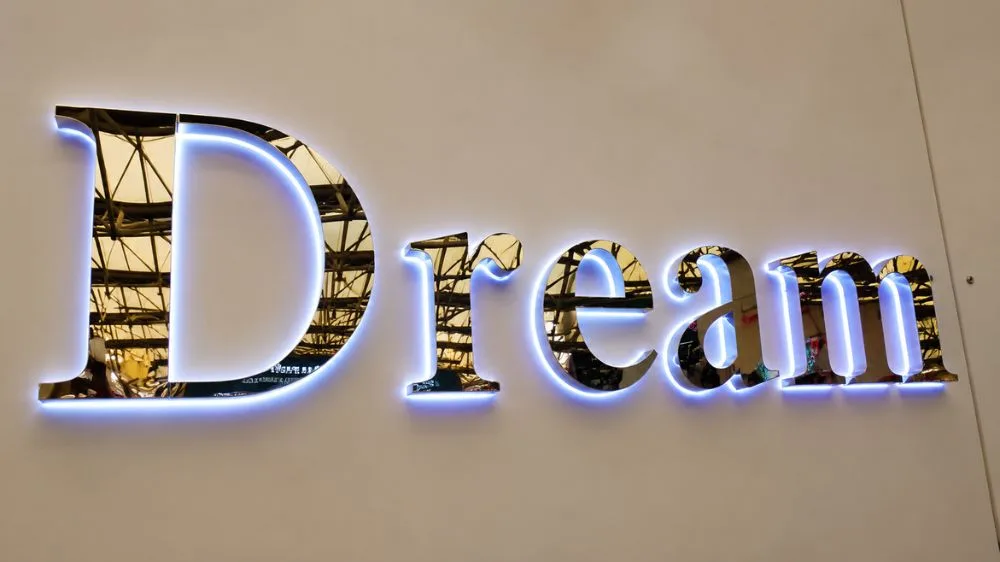
LED sign boards have become the dominant illuminated signage format across Dubai’s commercial landscape, replacing fluorescent and neon illumination in virtually all new commercial installations. For businesses evaluating LED signage options, understanding the technology differences, quality indicators, and application-specific specifications that distinguish genuinely excellent LED sign board systems from visually similar but technically inferior alternatives helps both the initial specification decision and the selection of the right LED Sign Boards company in Dubai to design and produce the system.
The performance and service life of an LED sign board is primarily determined by the quality of the LED modules it uses. LED module quality varies enormously across the price spectrum, from established manufacturer products with published and independently verified performance data through to commodity modules with optimistic specifications that bear no reliable relationship to actual performance. The most important LED quality parameters for Dubai commercial signage are: luminous efficacy expressed in lumens per watt, which determines how bright the sign appears for a given power input; colour rendering index measuring how accurately the LED illumination represents the printed graphic colours; colour consistency expressed as SDCM (Standard Deviation of Colour Matching) binning tolerance, which determines whether a sign appears uniformly white or has visible colour variation across its surface; and rated operational lifespan at published lumen maintenance — L70 specifying the point at which output falls to 70 percent of initial, typically 50,000 hours or more for quality products.
Outdoor LED signs in Dubai face environmental conditions that require specific engineering provision to achieve reliable long-term performance. LED modules and power supplies specified for outdoor Dubai installation must carry IP65 protection rating minimum — confirmed by independent testing certification — ensuring complete protection against dust ingress and water jet exposure from both rain and cleaning. Thermal management design must account for Dubai’s peak summer ambient temperatures, which can exceed 50 degrees Celsius for enclosures exposed to direct solar radiation — LED junction temperatures above the rated maximum accelerate lumen depreciation and significantly reduce operational lifespan. Power supply components should carry military-grade temperature ratings appropriate for the actual operating temperature range of the installation environment, not simply standard commercial ratings that may be inadequate for summer peak temperatures in outdoor Dubai sign cabinets.
Also Read-How Do LED Sign Boards Help in Energy Savings for Businesses?
Indoor LED signage in Dubai’s retail, hospitality, and corporate environments operates in a controlled temperature environment with no weather exposure, which changes the specification priorities compared to outdoor applications. For indoor retail and hospitality environments where visual quality is paramount — luxury retail counters, hotel lobbies, restaurant feature walls, and high-end office receptions — the most important LED quality parameters are colour quality and consistency rather than weatherproofing robustness. High colour rendering index LEDs that render merchandise, brand colours, and interior finishes accurately create a premium visual environment; lower CRI LEDs make everything appear slightly flat and lifeless. For backlit retail display panels, colour consistency across the entire illuminated panel surface determines whether the display looks professionally uniform or shows visible hot spots and uneven areas that undermine the premium presentation it is designed to create.
LED sign board installations in Dubai must navigate multiple layers of regulatory compliance that an experienced manufacturer guides clients through systematically. Dubai Municipality’s signage bylaws specify maximum illumination intensity levels for different sign types and locations — preventing the light pollution and driver distraction that unregulated high-intensity LED signs can create. The Civil Aviation Authority restricts illumination heights and intensities in approach corridors to Dubai International and Al Maktoum airports. Private developer and building management requirements add a further layer of approval for signage on leased commercial premises. An LED sign boards company with systematic experience of these approval processes manages the submissions, technical documentation, and compliance demonstration that authority approvals require — protecting clients from the expensive delays and removal orders that non-compliant installations attract.
The initial price premium for quality LED sign boards over budget alternatives is consistently recovered through operating cost advantages over the sign’s service life. Quality LED modules consuming 50 to 70 percent less electricity than the fluorescent equivalents they replace reduce the electricity cost for continuously illuminated large signs by thousands of dirhams annually. LED lifespans of 50,000 hours or more reduce lamp replacement maintenance to a small fraction of the frequency required for fluorescent systems, which typically require relamping every 8,000 to 15,000 operating hours. For signs operating 12 or more hours per day — typical for retail, hospitality, and commercial building signage in Dubai — these operational savings accumulate significantly over a five to ten year ownership period, making quality LED specification the financially superior choice even before accounting for the superior visual quality and reduced environmental impact.