- Al Qusais Industrial Area 3, Dubai, U.A.E
- Tell +97142521720





Choosing between different Acrylic Signage Board Makers in Dubai can feel confusing when every supplier promises the same thing — quality, speed, and a fair price. The truth is that the fabrication process behind an acrylic sign determines almost everything about the final result, from how long it lasts to how much it costs. Understanding what actually happens between placing an order and receiving a finished sign helps business owners ask the right questions, compare quotes intelligently, and avoid the disappointment of a sign that looks good in a rendering but poor on the wall. This guide walks through exactly how acrylic signs are made in Dubai, what drives the cost up or down, and how to judge whether a maker is worth trusting with your brand.
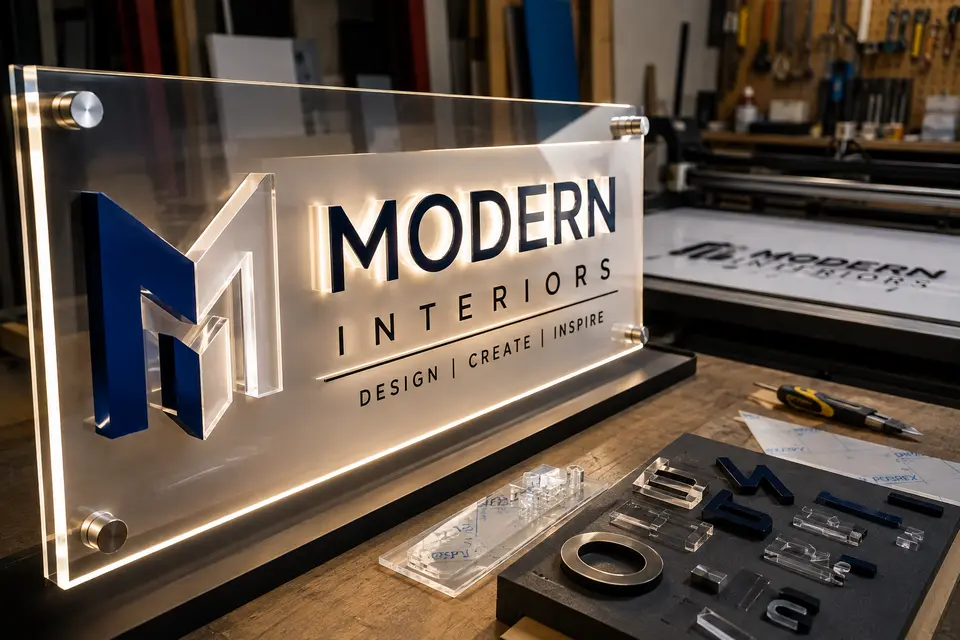
The fabrication journey starts long before any cutting happens. A good acrylic sign maker begins with a site visit or detailed photographs to understand mounting surfaces, viewing distances, and lighting conditions. From there, a design file is prepared with exact dimensions, and the acrylic sheet — clear, opal, tinted, or mirrored depending on the application — is selected to match the intended visual effect. Cutting is done using CNC routers or laser cutters, which allow for precise edges, clean letterforms, and intricate logo shapes that hand-cutting simply cannot achieve. Edges are then polished to remove roughness, and any printed or engraved graphics are applied using UV printing or vinyl application, depending on durability requirements. For illuminated signs, LED modules are fitted and wired inside the acrylic housing before final assembly and quality testing.
Pricing varies widely because so many variables affect the final quote. Sign size is the most obvious factor — larger panels use more material and take longer to cut and finish. Thickness matters too, since a 10mm acrylic panel costs noticeably more than a 5mm one but offers greater rigidity and a more premium feel. Illumination adds cost through LED components, power supplies, and wiring labor, though it dramatically increases visibility during evening hours. Complexity of the shape or lettering also plays a role — simple rectangular panels are cheaper than dimensional 3D letters with individually mounted components. Finally, installation height and access requirements can add cost when scaffolding or specialized lifting equipment is needed for higher storefronts or building exteriors.
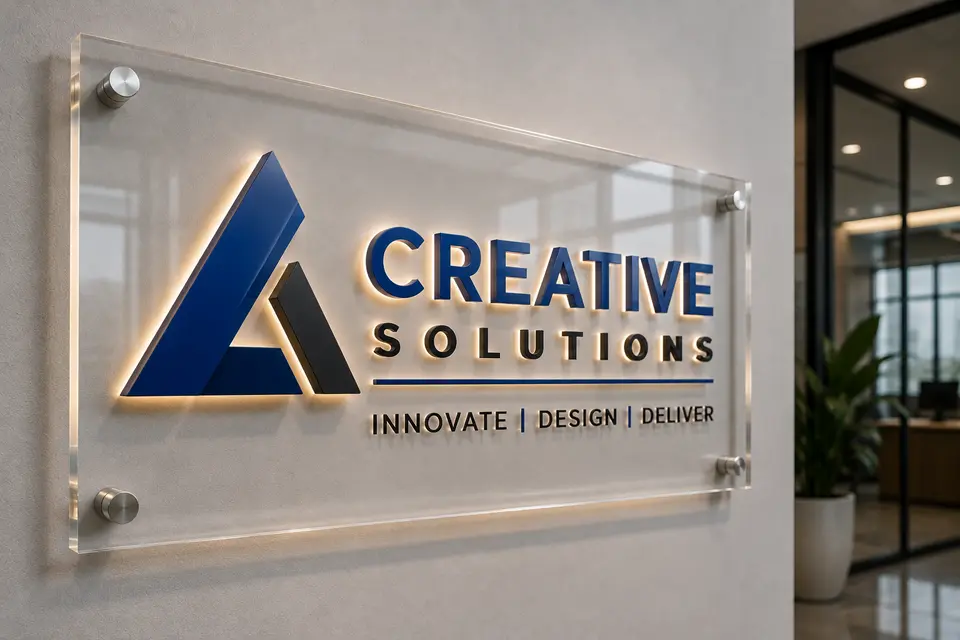
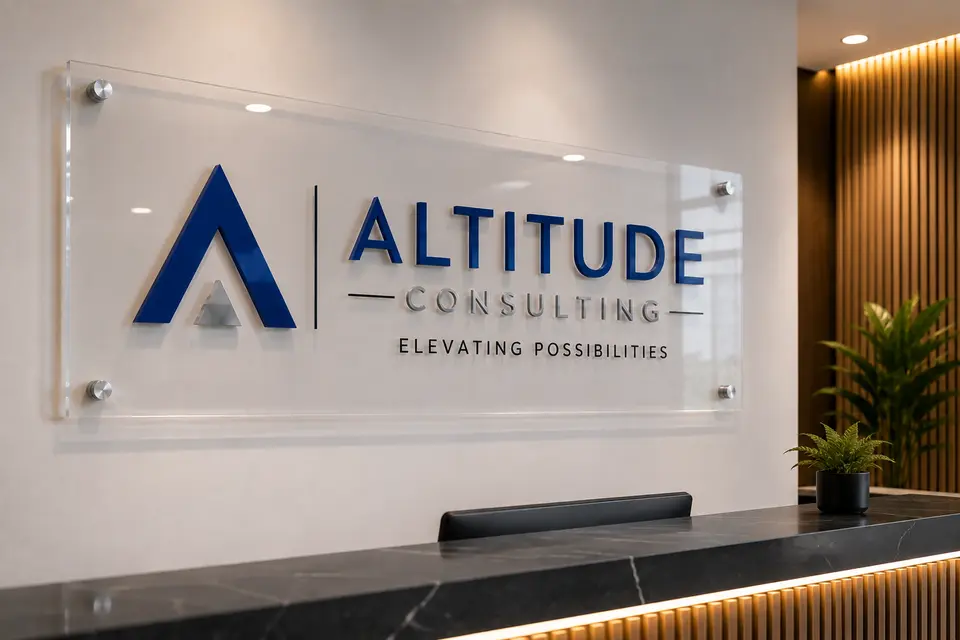
Not every acrylic sheet is the same, and the right choice depends on what the sign needs to do. Clear acrylic works well for elegant reception signage where transparency adds a modern touch. Opal acrylic diffuses light evenly, making it the standard choice for backlit signs where a soft, uniform glow is the goal. Tinted acrylic introduces brand colors directly into the material rather than relying only on printed graphics, giving a richer, more integrated look. Mirror acrylic creates a striking reflective surface often used for decorative or statement pieces. A knowledgeable maker will recommend the material based on the sign’s purpose rather than defaulting to whatever is cheapest or most readily available.
Before committing to a supplier, it is worth asking how they verify quality at each stage of production. Precision-cut edges should be smooth, without visible chipping or unevenness. Printed or painted surfaces should show consistent color coverage with no streaking. LED illumination, where applicable, should produce even brightness across the entire panel rather than visible hot spots near individual bulbs. Mounting hardware should be rated for the sign’s weight and the wall or surface it will be fixed to. Asking to see samples of previous work, or even a small material sample before full production, is a reasonable request that a confident maker will happily accommodate.
Many businesses lose money or time by skipping steps that seem optional but are not. Choosing the cheapest quote without checking material thickness often leads to a sign that warps or discolors within a year or two under Dubai’s sun exposure. Skipping a proper site survey can result in a sign that does not fit the intended space or fixing points once it is fabricated. Rushing the design approval stage sometimes leads to spelling errors or incorrect dimensions being locked into production. And overlooking permit requirements for exterior signage can delay installation even after the sign itself is ready. A reliable maker will flag these risks upfront rather than letting a client discover them after the fact.
Related blog – Types of Acrylic Signage Popular in Dubai – A Complete Guide
Sign World UAE combines in-house design, precision fabrication, and experienced installation teams to remove the guesswork from ordering acrylic signage. Every project starts with a clear understanding of the client’s goals, moves through transparent material and cost discussions, and ends with an installed sign that matches what was promised at the quote stage. This end-to-end approach is what separates dependable acrylic signage board makers in Dubai from suppliers who simply cut and ship panels without accountability for the finished result.
Understanding how acrylic signs are actually made — and what drives their cost — puts business owners in a much stronger position when comparing quotes and suppliers. The best Acrylic Signage Board Makers in Dubai are transparent about process, honest about material choices, and willing to answer detailed questions before a single sheet of acrylic is cut. Sign World UAE brings exactly that level of clarity and craftsmanship to every acrylic signage project it undertakes.