- Al Qusais Industrial Area 3, Dubai, U.A.E
- Tell +97142521720






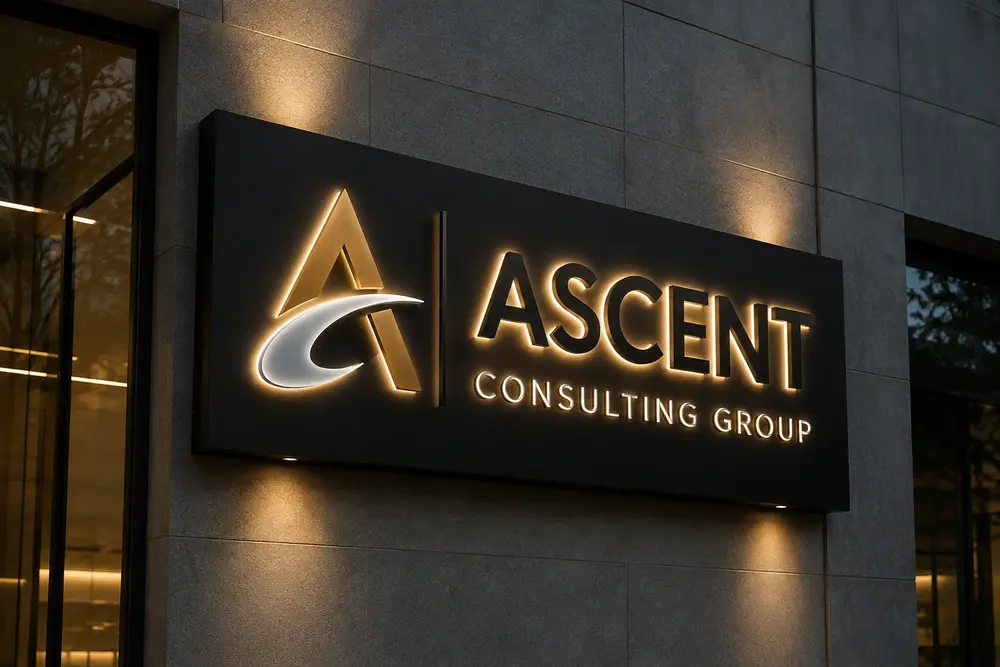
Anyone researching Signages in Dubai for the first time quickly discovers just how many options, rules, and price points are involved in getting a sign designed, approved, and installed. From a small reception nameplate to a full building-front illuminated sign, the process differs significantly depending on the sign type, location, and purpose. This guide brings together the essentials — the main categories of signage available, what typically drives cost, and the regulatory steps that apply — so business owners can plan their signage project with realistic expectations from the outset.
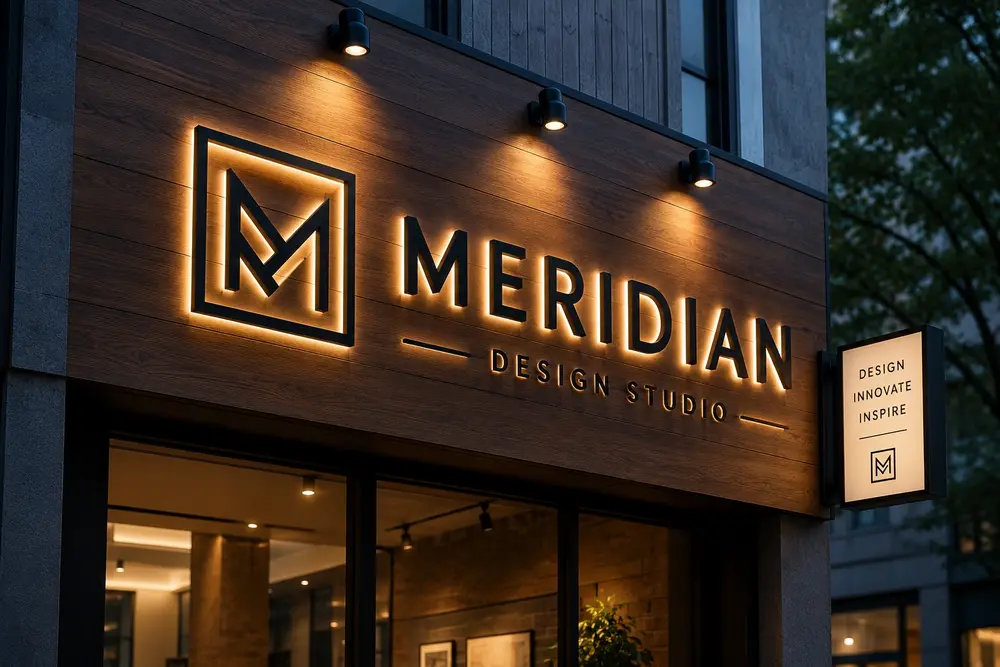
Dubai businesses generally choose from a handful of core signage categories depending on their needs. Illuminated channel letter signs are popular for retail and commercial storefronts because they remain visible day and night. Flat panel signs, made from acrylic, aluminum composite, or similar materials, suit reception areas, office doors, and simple exterior branding. Digital LED display signs allow businesses to show changing content such as promotions or information, commonly seen on malls, hotels, and commercial towers. Wayfinding and directional signage help visitors navigate larger premises such as offices, hospitals, or shopping centers. And vehicle and window graphics extend brand visibility beyond the building itself. Each type serves a different purpose, and most complete signage programs combine several of these categories.
Signage cost in Dubai varies widely because so many factors are involved. Material choice is one of the biggest drivers — acrylic, aluminum, stainless steel, and specialty finishes each carry different price points. Illumination adds cost through LED components and wiring but significantly increases visibility and impact. Size directly affects material usage and fabrication time, while installation complexity — such as height, access difficulty, or the need for scaffolding — can add meaningfully to the total project cost. Permit fees, though often overlooked in early budgeting, should also be factored in from the start, since outdoor signage typically requires municipal or authority approval before installation can proceed.
Getting a sign legally approved in Dubai typically involves several stages. First, a design concept is prepared with accurate dimensions and specifications suitable for submission. Depending on the building type and location, approval may be required from the relevant municipality, the building’s landlord or management, or in some cases additional authorities if the property sits within a free zone or has special planning conditions. Required documents usually include technical drawings, trade license copies, and sometimes photographs of the installation site. Processing times vary depending on the authority and the complexity of the signage, so businesses planning a launch date or opening event should factor in approval time well ahead of schedule. Working with a signage company experienced in permit handling significantly reduces the risk of delays.
Signage trends continue to evolve alongside changing customer expectations. LED neon-style signage has surged in popularity for retail and hospitality interiors, offering a warm, photogenic aesthetic that traditional flat signs cannot match. Sustainability is also becoming a bigger consideration, with businesses increasingly asking about energy-efficient LED options and modular sign systems that can be updated without full replacement. Digital signage adoption continues to grow as more businesses want the flexibility to update promotional content without physical sign changes. And bilingual Arabic-English signage remains a constant requirement across the UAE, with careful attention needed to balance both scripts visually. Staying aware of these shifts helps businesses choose signage that stays relevant for years rather than looking dated within a short time.
With so many variables involved — material, illumination, permits, and design — working with an experienced signage company simplifies the entire process considerably. A good partner manages design, fabrication, permit applications, and installation under one roof, reducing the coordination burden on the business owner and minimizing the risk of miscommunication between multiple vendors. Asking for a clear breakdown of costs, a realistic project timeline, and examples of similar completed work helps set accurate expectations before committing to a project.
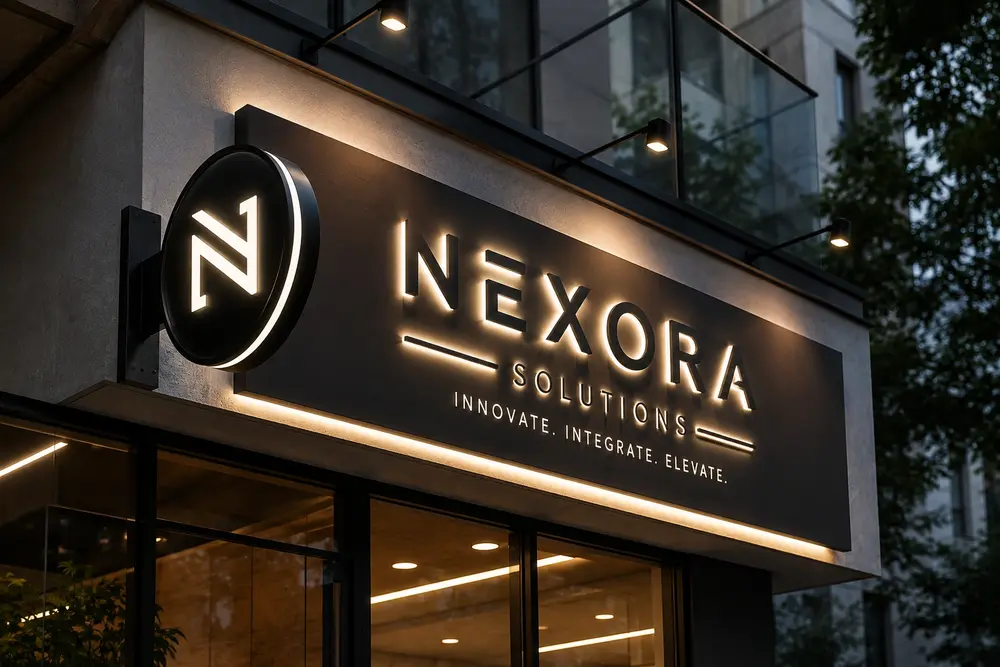
Signages in Dubai come in many forms, each with its own cost drivers and approval requirements, and understanding these basics makes the entire process far less overwhelming. Sign World UAE guides clients through every stage — from choosing the right sign type through permit approval and installation — bringing clarity to a process that can otherwise feel complicated for anyone approaching it for the first time.