- Al Qusais Industrial Area 3, Dubai, U.A.E
- Tell +97142521720





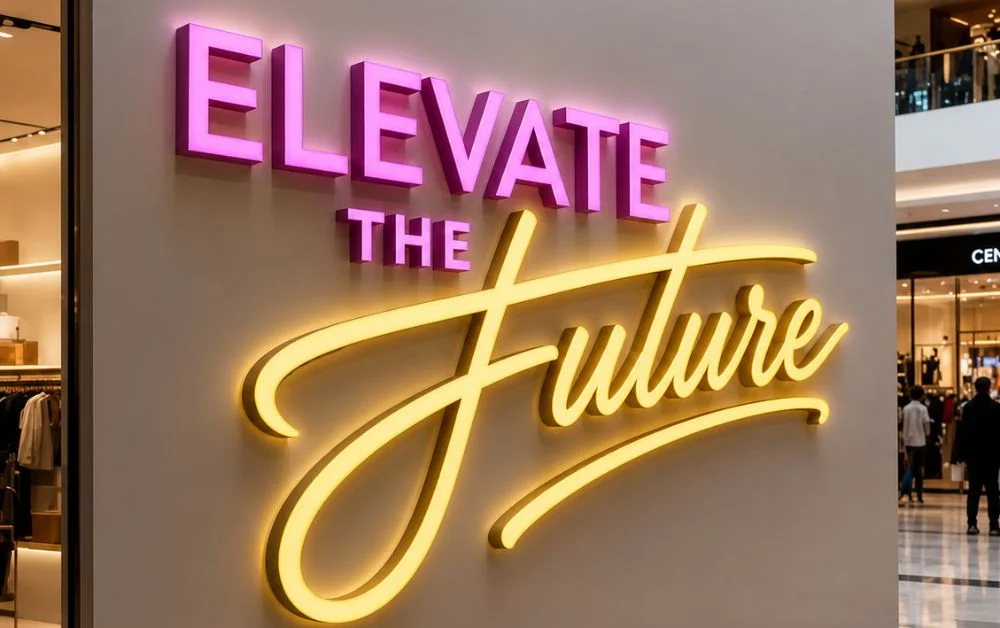
Signboards are everywhere you look in Dubai — above shop entrances, along roadsides, inside shopping malls, on building facades, and across commercial districts throughout the city. They are one of the most powerful and consistent tools any business has for creating visibility, communicating its identity, and attracting the customers it needs. But have you ever stopped to think about what actually goes into making a professional signboard? Behind every eye-catching sign is a carefully engineered combination of materials, components, and lighting elements that work together to produce the final result. Understanding these parts helps business owners make smarter, more informed decisions when working with a signboard company in Dubai on their next project.
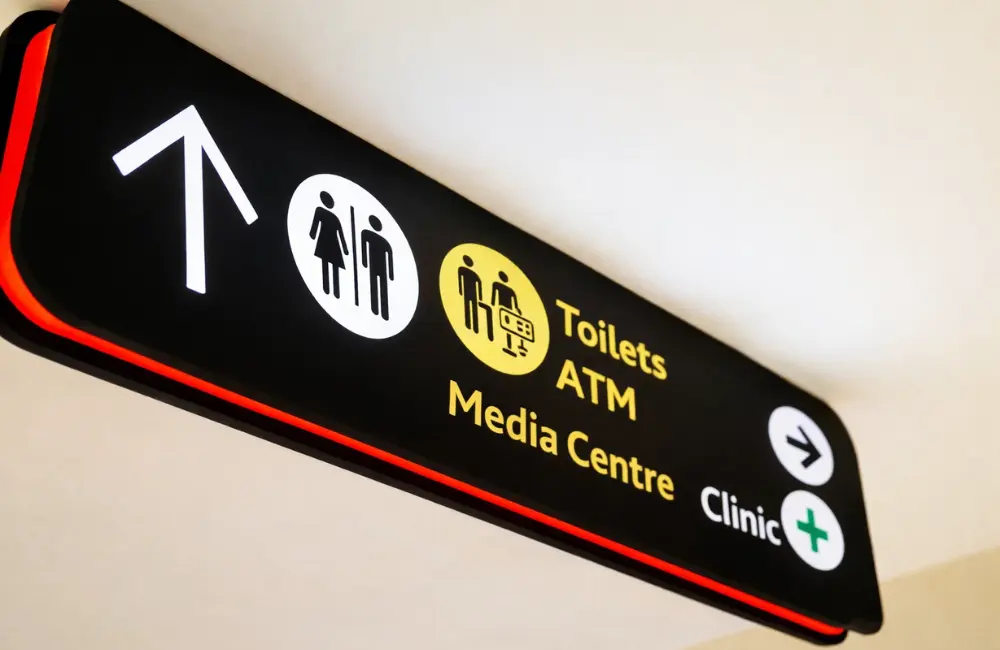
The face of the signboard is the front surface — the part that carries all the visible graphics, text, logos, and design elements. It is the most visually important component and comes in several materials depending on the type and application of the sign:
The frame or cabinet is the structural skeleton that holds the sign face in place, gives the sign its overall shape, and provides the strength needed to withstand weather conditions, wind loading, and the physical stresses of installation. Frames are constructed from:
Lighting is what transforms a signboard from a daytime feature into a 24-hour marketing asset. LED technology has completely dominated commercial signage lighting because of its energy efficiency, longevity (50,000+ hours in quality modules), vibrant color output, and versatility. Key lighting components include:
Suggested Read-How Important Is Branding When Working with a Signage Company?
Mounting hardware is what secures the completed sign to its installation surface. The right hardware depends entirely on the sign type, size, weight, and installation environment:
Modern commercial signage relies heavily on high-resolution digital printing technologies to apply graphics and text to sign faces. UV flatbed printing directly onto acrylic, ACP, or PVC produces sharp, vibrant, and weather-resistant results without the need for lamination in most cases. For vehicle graphics and flexible banners, solvent or eco-solvent printing onto vinyl is the standard approach.
Protective finishes extend the operational life of the sign and keep it looking new for longer. Common protective treatments include UV-protective laminates applied over printed graphics, powder coating for metal frames and structural components, anodizing for aluminum elements in coastal or high-humidity environments, and anti-graffiti coatings for outdoor signs in high foot-traffic urban locations.
When you understand what goes into a signboard, conversations with your signboard company in Dubai become far more productive. You can ask the right questions about materials, make informed choices about durability versus cost, and understand the rationale behind recommendations. Sign World brings deep expertise in every component category, advising clients on the optimal combination of materials and elements to achieve maximum visual impact within their specific budget and installation requirements.
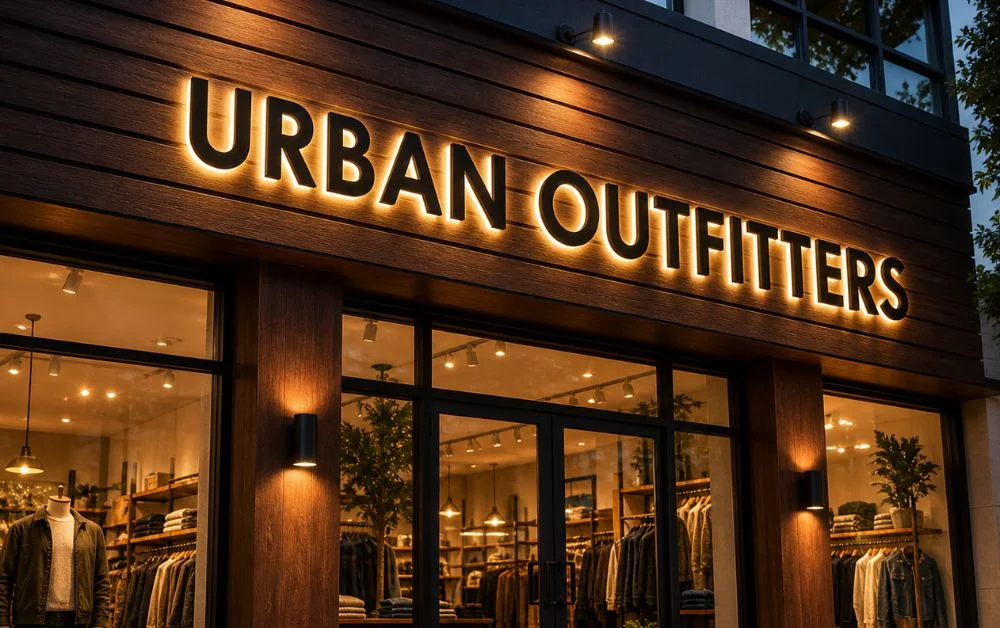
Every great signboard is the product of carefully selected, well-matched components working together to create a lasting visual impression that represents your brand reliably day and night. Understanding these components — from the display face and frame to the LED lighting and mounting hardware — empowers you to have more informed, productive conversations with your signboard company in Dubai. Sign World combines expertise in materials, fabrication, and installation to deliver signage solutions that work as hard for your business as you do.